Hemp on the Hanger: A No-Greenwash Guide to Buying Hemp Clothing in the UK
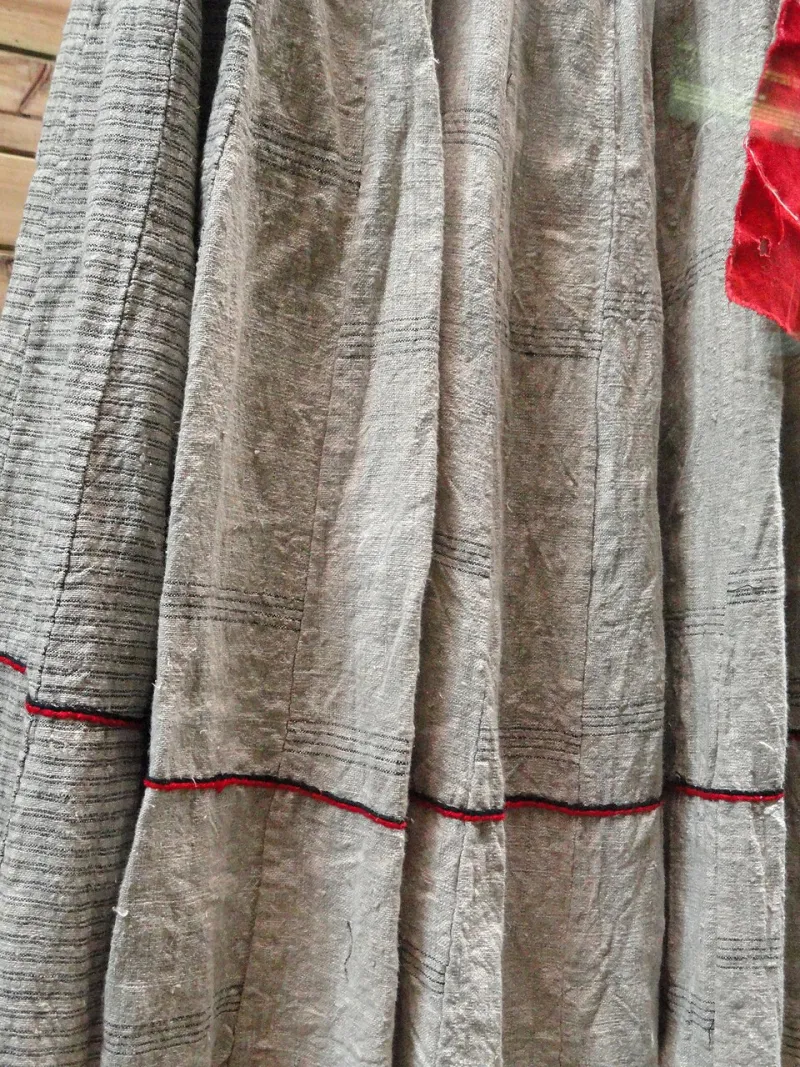
Photo: Daderot, Public domain, via Wikimedia Commons
Hemp has a good press agent and a complicated supply chain. On the hanger it's sold as the fabric of the future; on the label it's often 30% hemp and 70% cotton, or hemp with a dash of elastane so it moves like something from this century. Both things can be true, and neither of them makes the garment a miracle.
This isn't an argument against hemp clothing. It's an argument for buying it with your eyes open, because the fibre is genuinely interesting and the marketing around it is genuinely slippery.
What hemp fabric actually is
Hemp cloth comes from the bast fibres in the stem of Cannabis sativa — the same plant family as the CBD oil on the shelf, but a different crop with a different job. The stalks are retted, the fibres separated from the woody core, then spun and woven or knitted. The long fibres are what give hemp its reputation: strong, hard-wearing, and historically used for rope, sailcloth and canvas. The word canvas, pleasingly, comes from cannabis.
In the hand, pure hemp feels a bit like linen's serious older sibling. It's crisp when new, creases readily, and softens with washing. It breathes well in heat, handles abrasion better than cotton, and dries reasonably quickly. It is not silky, it is not stretchy, and it is not cheap to produce well.
Pure hemp versus the blends you'll actually find
In UK shops you'll mostly meet four things:
- 100% hemp. Usually shirting, trousers, jackets, bags, home textiles. Durable and distinctive, but stiff to start with and prone to wrinkling.
- Hemp-cotton blends. The most common arrangement, often around half and half. Cotton softens, hemp strengthens — a reasonable compromise, though it muddies any claim about the garment being 'hemp'.
- Hemp with linen or Tencel. Lighter, drapier, good for summer shirts and dresses. Often the nicest to wear.
- Hemp with a small percentage of elastane or polyester. Stretch and shape retention, usually in jeans or activewear. A little goes a long way; a lot undermines the point.
The composition label is the honest bit of the garment. UK textile labelling rules mean the fibre percentages have to be stated, in descending order by weight. So '55% polyester, 40% cotton, 5% hemp' is a polyester top with a hemp story attached. That's not a con — it's just not what the swing tag is implying. Read the small print before the big words.
What the care label is really telling you
Care symbols get ignored, and they're often the most useful information on the item.
- 30°C wash is standard for hemp. Hotter water encourages shrinkage and fade.
- The triangle with a cross means no chlorine bleach. Hemp will yellow and weaken.
- The square with a circle means tumble drying is permitted, but a crossed-out version means don't. Even where it's allowed, air drying is kinder; hemp is heavy when wet and hates high heat.
- Iron on medium, usually on the reverse. Hemp creases. You will iron it, or you will embrace the crease.
- 'Wash before wearing' on a hemp shirt usually signals that some shrinkage is expected — often a few per cent on the first wash. Pre-shrunk garments should say so.
If a hemp item has no care label at all, treat that as a quality signal in the wrong direction.
The durability claim, tested honestly
Hemp's strongest selling point isn't softness or colour — it's that it lasts. Abrasion resistance is genuinely high, which is why hemp trousers outlive cotton ones and hemp canvas bags shrug off a bike rack. That makes the cost-per-wear maths unusually favourable, and it's the least glamorous, most defensible reason to buy.
But durability only works if you look after it. Wash less, air more, mend the seam before it becomes a hole. A hemp shirt worn twice a week for years is a better environmental outcome than three organic ones that pill and go in the bin.
Where the sustainability claims get wobbly
Hemp the crop has real credentials: it grows densely, needs relatively little water compared with cotton, and improves soil structure in rotation. None of that automatically transfers to the shirt.
Things worth asking, and things sellers rarely volunteer:
- Where was the fibre grown? A lot of the world's hemp fibre comes from China, with smaller volumes from Romania, France and elsewhere in Europe. UK-grown textile hemp exists but is a very small slice of the pie — most British hemp goes to seed, oil and construction materials like hempcrete.
- Where was it spun and woven? Often a different country again. Traceability is hard, and vague claims are cheap.
- What was it dyed with? Look for OEKO-TEX Standard 100 or similar testing if you're sensitive to finishes. GOTS certification applies to organic textile production; some hemp is certified, much isn't.
- What does 'eco' actually mean here? Frequently nothing enforceable. 'Sustainable', 'green', 'planet-friendly' and 'natural' are marketing words, not standards.
- 'Biodegradable' is only meaningful under specific conditions — a landfill isn't a compost heap, and a polyester blend won't biodegrade at all.
None of this means don't buy. It means treat the leaf logo as a prompt to look at the label rather than a conclusion.
Fitting it into a normal wardrobe
Start with the pieces where hemp's properties earn their keep: trousers, work shirts, a canvas bag, a jacket, maybe bedding or tea towels. Skip the items where you mainly want drape or stretch, unless the blend is doing that job well. Buy one thing, wear it hard, and see how it ages before you restock the whole rail.
And wash it with the rest of your dark load, on 30, without bleach. Hemp doesn't need a special routine, just a bit less enthusiasm than cotton usually gets. That's the whole trick: fewer washes, better care, and a label read before the marketing gets a word in.