Cloudy Bottle, Clear Head: What a British Winter Does to Your CBD Oil
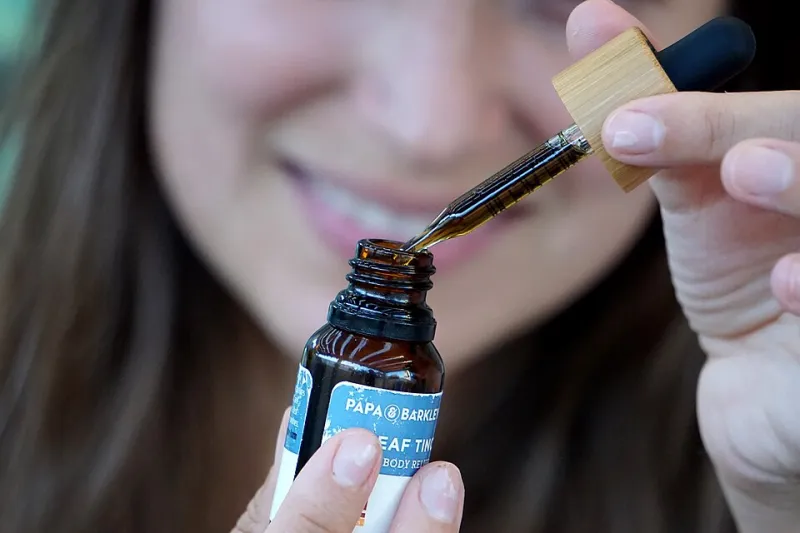
Photo: elsaolofsson, CC BY 2.0, via Wikimedia Commons
November has a way of making your kitchen shelf look like a chemistry experiment. You reach for the CBD oil you've been using since the summer, and the bottle that was clear in August now looks like weak tea with a cloud in it. Or the oil has gone thick and sludgy, and you're standing there wondering whether you've been sold something dodgy, stored it badly, or both.
Take a breath. Cold weather does things to oil, and most of it is boring chemistry rather than a red flag. But the fact that a cloudy bottle is usually fine doesn't mean every bottle is fine. The trick is knowing which is which — and that starts with the bottle in your hand, not with a forum thread at eleven at night.
What's actually in the bottle
A CBD oil is not just CBD. It's an extract — often a full-spectrum hemp extract with cannabinoids, terpenes and plant waxes — carried in a fatty base oil. That base is usually MCT (fractionated coconut oil) or hemp seed oil, though you'll also see olive and sunflower. The carrier is the bit that reacts to temperature first. The cannabinoids ride along with it.
That matters because the label tells you two useful things: how many milligrams of CBD per bottle or per drop, and what the oil is suspended in. If you've never read past the front of the box, this is the week to turn it round.
Why the cold makes it go cloudy
Fats and waxes solidify at different temperatures. Put a bottle of olive oil in the fridge and it turns opaque and lumpy; leave it on the counter and it goes clear again. CBD oils behave in much the same way. Natural plant waxes in a fuller extract can drop out of suspension when the temperature dips, and some carrier oils thicken noticeably below about 15°C. A cold kitchen windowsill, a car glovebox, a delivery van overnight, a parcel left on the step — all of them will do it.
Warming the bottle gently — rolled between your palms for a few minutes, or stood in a mug of warm tap water — usually brings it back to clear. Not hot water, not a radiator, not a microwave. Gently.
What cloudiness doesn't tell you
It doesn't tell you the oil is stronger. It doesn't tell you it's weaker. It certainly doesn't tell you it's been cut with something. A bottle that clouds in the cold and clears when warmed is doing exactly what a fat-based product is supposed to do.
Equally, a clear bottle isn't proof of quality. Clarity is about the carrier and how filtered the extract is, not about how much CBD is in there. Plenty of decent products are pale and cloudy; plenty of poor ones are crystal clear.
What it can tell you
One genuinely useful thing: cloudiness that won't clear after gentle warming, or a bottle that has separated into layers you can't shake back together, is worth a question. So is oil that's gone grainy and stays grainy. That's not winter. That's a product that's been through something — heat, repeated temperature swings, or simply time past its date.
Check the batch number and best-before date on the label before you do anything else. If the date has gone, the conversation is over; bin it and move on.
Storage that actually works in a British winter
- Keep it dark. A cupboard is better than a windowsill. Light degrades cannabinoids over time, and a south-facing kitchen window is the worst offender in the house.
- Keep it steady. CBD oil dislikes swings more than it dislikes cold. A cool, stable cupboard beats a spot next to the radiator that warms up every time the heating clicks on.
- Don't freeze it. The fridge is only right if the label says so. Freezing can push waxes out of suspension permanently and crack cheap glass.
- Stand it up, cap tight. Leaning bottles leak around the dropper collar, and a loose cap lets air and moisture in.
- Out of the car, out of the bathroom. Both are temperature yo-yos. The bathroom also adds steam, which nobody's oil needs.
- Away from children and pets. Obvious, but worth saying in a house where the dog investigates everything.
Signs it really is past it
Spoiled oil smells wrong — sharp, paint-like, or simply not like hemp anymore. Hemp seed oil in particular goes rancid faster than MCT. If the smell has changed, the taste has turned bitter and soapy, or there's anything growing in the bottle, stop. No amount of label reading rescues a rancid product.
When to email the retailer instead of Googling
If the bottle won't clear, if the batch number is missing or unreadable, if the oil arrived warm and the packaging was compromised, or if the label's storage instructions contradict what's actually in the bottle — ask the seller. A decent UK retailer will tell you what carrier they use, what temperatures it tolerates, and where the batch was tested. A vague answer is itself an answer.
One more thing worth knowing: CBD sold as a food product in the UK is expected to sit on the Food Standards Agency's novel foods register, and that means a paper trail — batch codes, lab results, a named business behind the stall or the website. None of that has anything to do with whether your oil went cloudy. It's just the background check you should have already done.
The short version
A cloudy bottle in November is usually just a cold bottle. Warm it in your hands, read the label, check the date, and store it somewhere dark and steady. If it clears, carry on. If it doesn't, ask the people who sold it to you — calmly, with the batch number to hand. That's the whole job.