Nine to Five, Label to Locker: A Calm Guide to CBD at Work in the UK
There's a moment in every office when the kettle goes on and the conversation turns to something slightly personal. Supplements. Sleep. Whether anyone actually likes the new coffee machine. CBD sometimes lands in that mix, and it doesn't have to be awkward. If it's part of your routine, the aim is simple: keep it tidy, keep it labelled, and keep it separate from anything that sounds like a medical or legal claim.
At Just Hemp, we're not doctors, lawyers or HR consultants. What follows is plain common-sense guidance for UK employees who want to take CBD at work without guesswork. Treat it like any other personal item in your bag: know what it is, store it properly, and check the rules if you're unsure.
Start with the bottle, not the break room
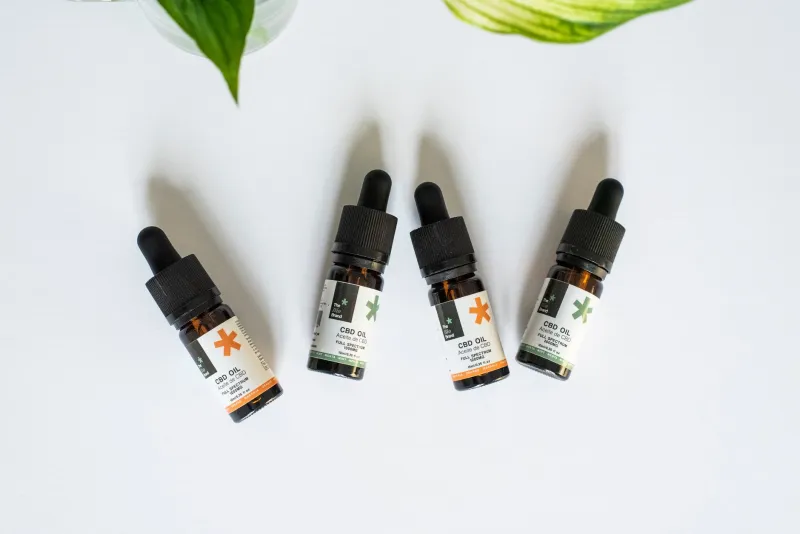
Before you worry about your desk drawer or what Sandra from accounts might think, look at the product itself. A respectable CBD product should tell you what's in it without a treasure hunt. Check for the amount of CBD per drop or per ml, the THC content, a batch number, and a way to find a lab report. If the label is vague, that's your first problem — not your colleagues.
Keep the original packaging. Decanting oil into an unmarked dropper bottle might feel discreet, but it strips away the batch information you'd want if anyone asked a sensible question. It also makes it harder to follow the label. If you use capsules, keep them in the original tub. If you use a balm or a tea, same principle: the packaging is part of the product.
The desk drawer problem
CBD oil doesn't need a velvet pouch and a security escort. It does need to be stored sensibly. A cool, dark place is better than a sunny windowsill or a radiator shelf. If you share a desk, a lockable drawer or a locker is useful — not because CBD is contraband, but because personal items are personal.
Don't leave it in the shared fridge. That's not a legal issue; it's just a bad idea. Someone will move it, someone will ask questions, and someone will probably put their sandwich on top of it. Keep it in your bag or a drawer, upright, with the lid on properly. If you're carrying capsules, a small pill organiser is fine as long as you keep the original tub nearby for the batch details.
Timing around the working day
Most people who use CBD as part of a routine don't make a performance of it. They take it at a consistent time, like a vitamin or a second cup of tea. The working day adds one practical question: what are you doing afterwards?
If your job involves driving, operating machinery, or any safety-critical task, be cautious about dosing right before you start. CBD affects people differently, and drowsiness is a possible side effect for some. That's not a reason to panic; it's a reason to read the label and use your judgement. A lunch-break dose might suit a desk-based afternoon. It might not suit a shift on a forklift. If you're unsure, don't dose until you're off the clock.
Keep it boring. Same time, same amount, same product. If you're trying something new, don't debut it on a day when you've got a big presentation or a long drive home.
What to say in the shared kitchen
You don't owe anyone a seminar. If a colleague spots the bottle and asks, a short answer is usually enough: 'It's a CBD supplement I take as part of my routine.' You can leave it there. You don't have to explain your health history, your sleep, your stress levels or your aunt's opinion.
Discretion is fine. So is a straightforward answer. What's less helpful is turning the shared kitchen into a debate about cannabis policy. CBD is not the same as THC-heavy cannabis, and most people don't need the full lecture over a microwaved soup. If someone is genuinely curious, point them to the label and a reputable UK retailer. If they're not, change the subject to the weather.
HR, policies and the straightforward conversation
Some workplaces have a policy that mentions supplements, drug testing or safety-critical roles. Others don't mention CBD at all. If you're unsure, ask a neutral question rather than making a confession. Something like: 'I take a CBD supplement as part of my personal routine. Is there anything in our policy I should be aware of?' That gives HR a chance to point you to the handbook without you having to explain your reasons.
You don't generally have to announce your supplement use to your employer, but if your role is safety-critical or subject to drug testing, it's worth checking before you assume. If testing is in place, ask how CBD products are handled. Don't ask HR for medical advice, and don't expect them to approve a product. Their job is policy, not pharmacology.
If you're using CBD for a health condition and you need workplace adjustments, that's a different conversation — usually one for occupational health or your GP, not the office manager. Keep the boundaries clear.
A simple checklist for the work bag
- Keep the original bottle or tub with the batch number and lab information.
- Store it upright, cool and out of direct sunlight — a locker or drawer is fine.
- Don't leave it in the shared fridge or a communal cupboard.
- Take it at a consistent time, and avoid dosing before driving or machinery if you're unsure how it affects you.
- Check your employee handbook or ask HR a neutral policy question if you're unclear.
- Don't share your product with colleagues, and don't offer it around.
- If drug testing applies to your role, ask how CBD is treated before you assume.
The honest bottom line
CBD is not a magic work aid, and it doesn't need to be a secret mission either. It's a personal wellness choice that sits alongside labelled products, sensible storage and a bit of workplace awareness. If you're going to use it during the working day, keep the label intact, keep the dose consistent, and keep the conversation simple.
At Just Hemp, we'd rather you ask a boring question now than create an awkward meeting later. The kettle will boil either way.