Your Bathroom Shelf, Reconsidered: Hemp Seed Oil for Skin and Hair Without the Hype
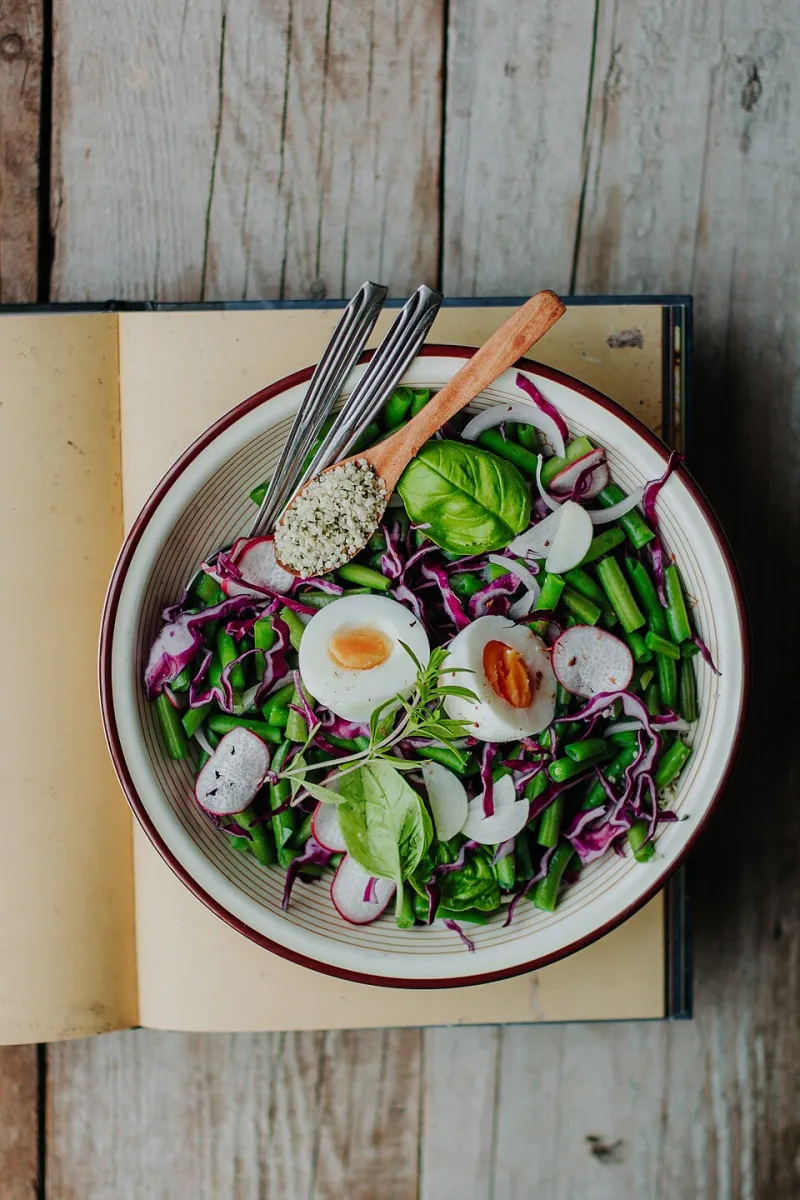
Photo: God of japan, CC BY-SA 4.0, via Wikimedia Commons
There's a bottle of hemp seed oil in my bathroom cabinet. It cost about nine pounds from a wholefoods shop, sits next to a lip balm and a much more expensive serum, and gets used most days. It has never transformed anything. It has, however, quietly done a decent job.
That's roughly the honest summary of hemp seed oil in skincare: unglamorous, inexpensive, occasionally very good, and badly oversold. So let's talk about using it like a normal person with a normal shelf and a normal amount of patience.
What it is, and what it isn't
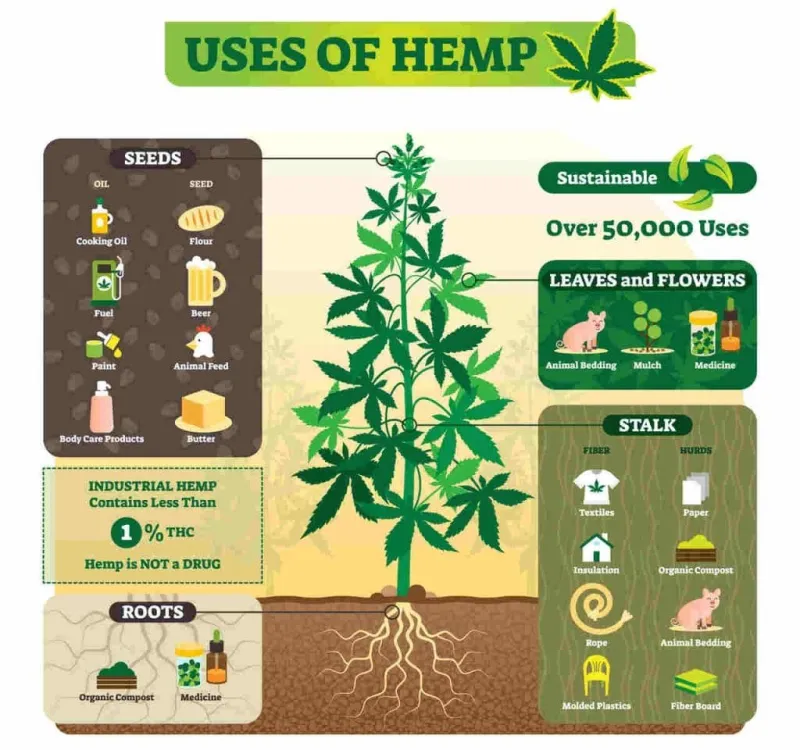
Hemp seed oil is pressed from seeds, not flowers. It contains no meaningful CBD, so if you're after cannabinoids, this isn't the product — that's a different bottle with a different price tag. What it does contain is a high proportion of linoleic acid (an omega-6), some alpha-linolenic acid (omega-3), and vitamin E.
Linoleic acid is the interesting bit for skin. People with oilier or blemish-prone skin tend to have lower levels of it in their sebum, and lighter plant oils rich in linoleic acid — hemp among them — generally feel less heavy than oleic-acid-dominant oils like olive or coconut. That's a chemistry observation, not a cure. If you have persistent acne, eczema or rosacea, a nine-pound bottle is not the answer; your GP is.
What it can realistically do: soften dry patches, add slip to a massage, make a decent pre-cleanse, tame flyaway ends, and soothe the tight feeling after a hot shower in February. What it won't do: erase scars, replace a prescription, or justify a claim about "restoring balance".
Patch-test it like you mean it
Most people skip this. Don't, especially if your skin is reactive.
Put two or three drops on the inside of your elbow or behind your ear, leave it for 24 hours without washing it off, and check again at 48. Redness, itching, or a cluster of tiny bumps means stop. Hemp seed oil is generally well tolerated, but "generally" is doing a lot of work in that sentence, and plant oils can sensitise.
A separate note: don't apply neat oil to broken, weeping or freshly shaved skin. It's not sterile and it isn't an antiseptic.
Slotting it into a routine you already have
You don't need to rebuild your shelf. Three easy entry points:
As a first cleanse. Massage a teaspoon over dry skin, give it a minute, then remove with a warm damp flannel. It lifts sunscreen and makeup well, and the flannel does the actual cleaning. Follow with your usual water-based cleanser if you double cleanse.
As a last step at night. After moisturiser, press two or three drops over dry patches — cheeks, around the nose, anywhere that feels tight. Don't slather. A little goes a surprisingly long way, and more oil does not mean more benefit.
As a body oil. Straight out of the shower onto damp skin, which helps it spread and absorb. This is where hemp seed oil earns its keep most obviously, especially in winter.
One caveat worth stating plainly: oils are occlusive, not hydrating. They slow water loss from the skin; they don't add water. If your skin is dehydrated, apply oil over something damp or over a moisturiser, not instead of one.
Hair: the ends, not the roots
On hair, the realistic use is on mid-lengths and ends, particularly if you have curly or coarser hair that frizzes. Warm a couple of drops between your palms, smooth through the last few inches, and leave it. As a pre-wash treatment, apply generously twenty minutes before shampooing.
Skip the scalp unless it's genuinely dry, and skip the roots entirely unless you enjoy looking like you haven't washed your hair. Hemp seed oil is not a light oil in the hair sense — it's greenish and it shows.
Reading a topical label without getting swept up
A few practical things to look for on any hemp-containing skincare product:
- Ingredient order. Under UK rules, ingredients are listed by weight down to 1%. If Cannabis Sativa Seed Oil appears after the fragrance, there's barely any in there.
- The word "hemp" on the front means little. It might mean seed oil, it might mean extract, it might mean a colour scheme. The INCI list is the honest part.
- Fragrance and essential oils. Often the actual cause of a reaction in a product marketed as soothing. If your skin stings, suspect these before the hemp.
- Expiry and packaging. Hemp seed oil is polyunsaturated and goes rancid. Dark glass, a cool cupboard, and a six-to-twelve-month window once opened. If it smells like old crayons rather than grass, bin it.
The unglamorous conclusion
Hemp seed oil is a good, cheap, pleasant-smelling oil that suits a lot of people and irritates a few. It works best as a supporting player — a cleanser, a body oil, a few drops on dry cheeks — rather than a hero product. Buy a small bottle, patch-test it, keep it in the cupboard rather than the windowsill, and give it a fortnight before deciding.
And if a label promises to "rebalance" your skin, remember that no oil has ever read your horoscope. It's just seed oil, and that's plenty.
This is general lifestyle information, not medical or dermatological advice. For persistent skin or scalp conditions, speak to a pharmacist or GP.