Beyond the Wellness Shelf: Six Practical Hemp Uses for a British Home
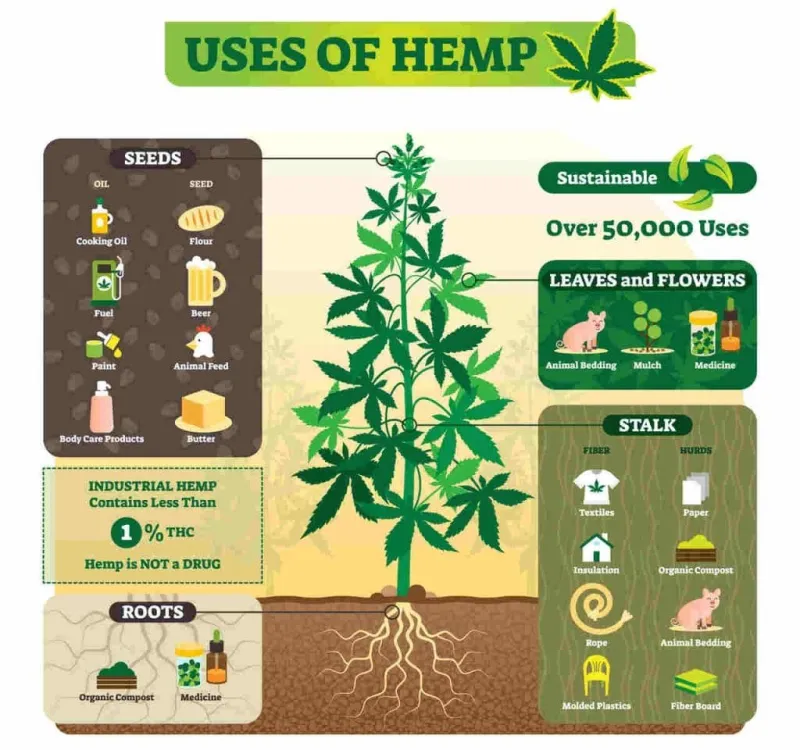
Photo: hemp garden twine allotment UK natural rope and gardening, via hempfoundation.net
Hemp has a knack of turning up in conversations about oils and seeds, but that is only part of the story. Long before CBD arrived on the high street, hemp was a working plant: fibre for rope, paper and cloth, and woody hurds for bedding and building. Here are six everyday uses that have nothing to do with 'wellness' — just a versatile material doing a job around a British home.
1. Paper, notebooks and stationery
Hemp paper is not a new idea. It can be used for notebooks, cards, wrapping paper and craft paper, and it often has a slightly rougher, more textured feel than standard office paper. In the UK, look for stationers and online shops that state the hemp content clearly rather than using a vague 'eco' badge. Hemp fibre is often imported, so a British brand name does not automatically mean British-grown fibre. If origin matters to you, ask where the fibre was grown and where the paper was made.
2. Textiles: from tea towels to upholstery
Hemp fabric is durable and gets softer with use. It is often blended with cotton or linen, which can make it more comfortable for clothing, bags, aprons and curtains. For upholstery, ask for a sample first: hemp can feel crisp at first, and the weave matters as much as the fibre. Check the percentage of hemp on the care label, not just the marketing. Truly UK-sourced hemp textiles are uncommon, so look for brands that publish fibre origin and manufacturing details rather than leaving it at 'natural'.
3. Garden twine and allotment ties
On an allotment or in a back garden, hemp twine is strong, biodegradable and compostable. It is useful for tying in tomatoes, bundling prunings and making temporary plant supports. But not all 'garden twine' is hemp; jute and sisal are common substitutes. Look for the word 'hemp' on the spool, not just 'natural'. Store it dry, because hemp twine can rot if left out in the rain. That is fine if you want it to break down in the compost, but not ideal for a long-term tree tie.
4. Pet bedding and small-animal litter
Hemp shiv, the woody core of the plant, is used as bedding for rabbits, guinea pigs and chickens, and sometimes as cat litter. It is absorbent and compostable, which makes it a practical option for households trying to cut down on plastic-heavy pet products. Check that the bedding is dust-extracted, especially for small animals, and buy from a UK supplier with clear weights. A large bale can be false economy if you have nowhere dry to store it.
5. Home insulation and renovation materials
Hemp-lime, hempcrete and hemp boards are used in eco-renovation and new build projects. This is not a casual DIY purchase: it needs specialist knowledge, the right moisture management and attention to building regulations. For a British home, especially an older property, breathability matters. Talk to a qualified installer rather than relying on a website description. Hemp construction materials are genuinely useful, but they are not a quick fix for damp or draughts.
6. Craft supplies, brushes and household odds and ends
Hemp cord is popular for macrame, basket handles, pet toys and simple repairs. Hemp bristles also turn up in brushes, and hemp fabric can be used for storage baskets and covers. It is a useful alternative to plastic twine for craft projects, though natural hemp cord has a slightly hairy texture; waxed versions are tidier for jewellery and small work. Look for clear diameter and length on the pack, and avoid anything that makes grand claims instead of simply stating what the product is.
How to spot a genuine UK-sourced hemp product
'UK-sourced' can mean grown here, processed here, or simply sold by a UK company. Those are three different things. Ask where the fibre was grown, where it was processed and where the finished item was made. Look for country of origin, fibre content, batch codes and a contact address. Certifications can help, but they do not replace basic details. Be wary of 'miracle' language: hemp is useful, not magic.
A practical plant, not a promise
Most of these uses are simple: twine, cloth, bedding, paper. They do not need a wellness narrative. If you are buying hemp for the home in 2026, buy for the job — strength, absorbency, biodegradability — and check the label. That is the honest appeal of the plant.