Three Kinds of CBD, One Clear Guide: Full, Broad and Isolate in the UK
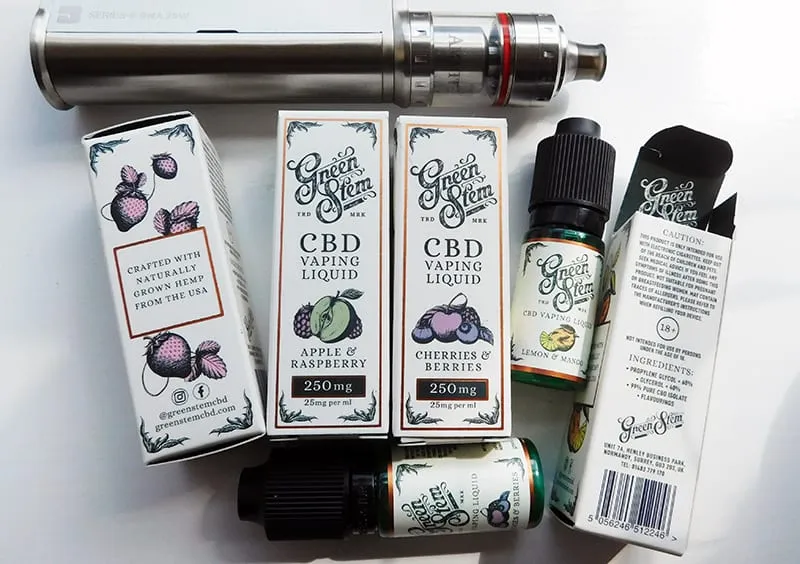
Photo: Ecig Click, CC BY-SA 2.0, via Wikimedia Commons
Walk into any UK CBD shop, or scroll through a few online listings, and you will meet the same three words: full spectrum, broad spectrum and isolate. They sound like a ranking. They are not. They describe what has been kept in, or taken out of, the extract, and that has practical consequences for anyone buying in 2026.
First, what 'spectrum' actually refers to
Cannabis sativa produces a whole family of compounds. CBD is the one most UK shoppers are looking for, but the plant also contains other cannabinoids such as CBG, CBC and trace amounts of THC, plus terpenes and flavonoids. A 'spectrum' label is shorthand for how much of that natural mix remains in the finished product. It is not a measure of how well the product will work for you.
Full spectrum: the whole plant, trace THC included
Full-spectrum CBD is made from an extract that retains the plant's natural cannabinoids and terpenes. In the UK, that means it can contain trace THC, legally limited but not necessarily zero. Reputable sellers should state the THC content clearly, usually as a percentage or in milligrams per batch. If a label says 'full spectrum' and also claims 'THC-free', be cautious; those two things sit awkwardly together unless the wording is explained. Full spectrum may appeal to people who want the whole plant profile and are comfortable with trace THC. It is not automatically more effective.
Broad spectrum: the middle ground with a caveat
Broad spectrum usually means the extract contains multiple cannabinoids and terpenes but THC has been removed or reduced to undetectable levels. It is often marketed as the best of both worlds. In practice, 'broad spectrum' has no single legal definition in the UK, so the exact profile varies by maker. One brand's broad spectrum might be close to full spectrum; another might be only a step away from isolate. Look for a certificate of analysis from a lab, not just the phrase on the front of the bottle.
Isolate: one ingredient, fewer variables
Isolate is CBD that has been purified so that it is, in theory, the only cannabinoid present. That makes it predictable and easy to measure, and it is a sensible starting point for someone who wants to avoid THC entirely or prefers a single compound. The trade-off is that you lose the other cannabinoids and terpenes. Isolate is not 'weaker' by default; it is simply narrower. A 10% isolate oil can deliver more CBD per drop than a 5% full-spectrum oil.
Why 'fuller' and 'stronger' are not the same as better
Two marketing habits cause most confusion. The first is treating 'full spectrum' as a quality grade. It is not. The second is treating a high milligram number as a guarantee of strength. What matters is how much CBD you actually get per serving, how the product is labelled, and whether the batch has been tested. A bottle can say 1,000mg on the front and still contain fewer servings than expected. Check whether the number refers to the whole bottle or per dose, and compare price per milligram of CBD rather than price per bottle.
What UK regulation does and does not guarantee
In the UK, CBD products sold for ingestion are treated as novel foods. The Food Standards Agency keeps a public list of products for which a valid novel food application has been submitted, but being on that list is not the same as being approved, and it is not a promise that a product suits you. Rules also cover THC limits, labelling and permitted claims. What the rules do not do is certify that full spectrum is better than isolate, or that any CBD product will work for a particular person. CBD is not a licensed medicine for treating illness in the UK, and sellers should not imply otherwise. If you are taking medication, pregnant, breastfeeding or unsure, talk to a pharmacist or GP.
A sensible way to choose
Start with the label, not the story. Look for the type of extract, CBD content per serving and per bottle, a THC statement, the carrier oil, a batch number, a recent certificate of analysis, and a clear UK address or contact. If you want to avoid THC, isolate or a well-documented broad spectrum is the safer bet. If trace THC is acceptable, full spectrum may be worth considering. Buy a small size first, keep notes, and do not assume a stronger-looking label will feel stronger. The best spectrum is the one that matches what you actually want, not the one with the most impressive words on the front.