Beyond the Dropper: Where British Hemp Actually Goes in 2026
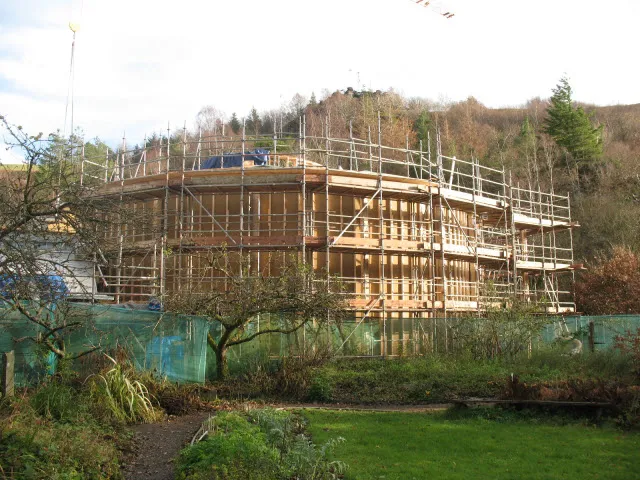
Photo: Stephen Craven, CC BY-SA 2.0, via Wikimedia Commons
The crop with a split identity
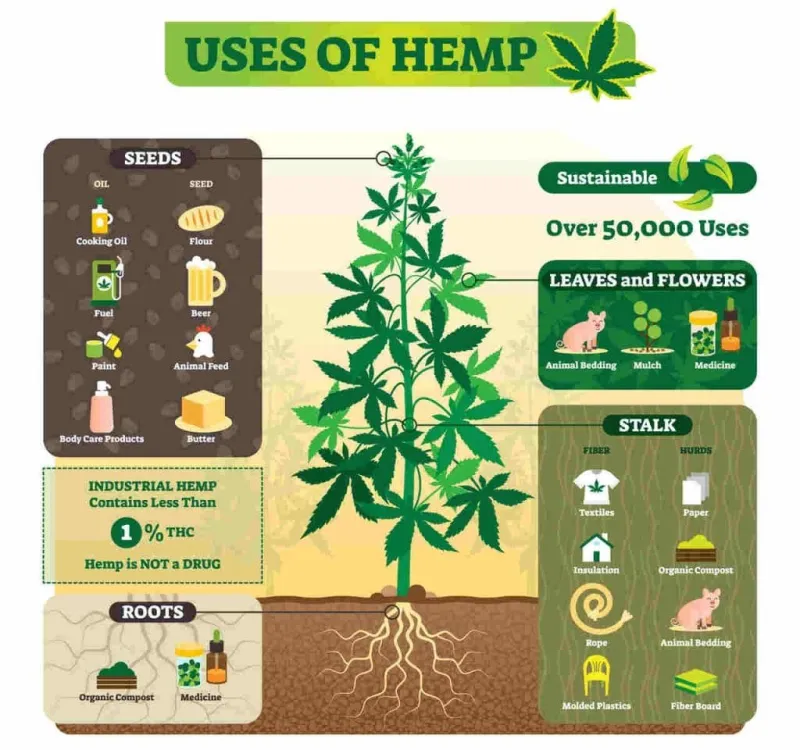
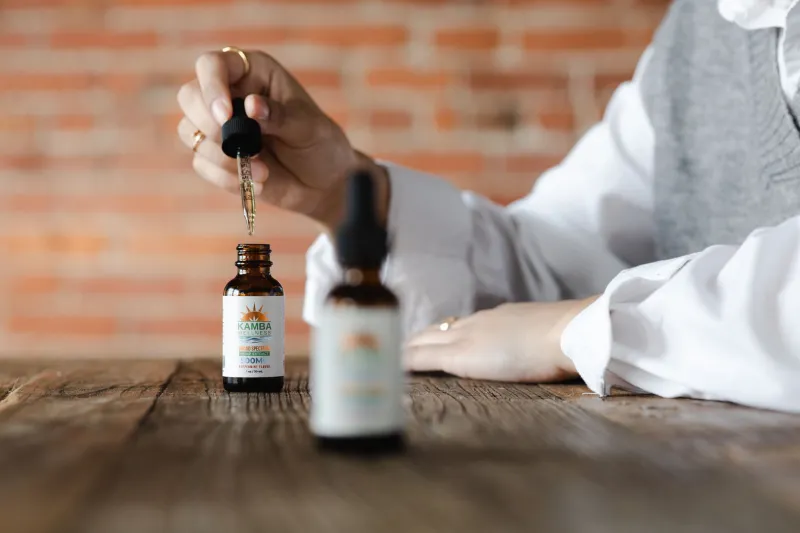
In the UK, hemp usually enters the conversation through a dropper bottle. CBD gets the headlines, the shelf space and the online adverts. But industrial hemp has a quieter, more practical story, and it is happening in fields, workshops and building sites rather than wellness aisles.
The plant can be grown for seed, fibre or both. UK growers need a licence, and the rules around THC content are strict. The area devoted to industrial hemp in Britain is still modest compared with major fibre crops, and the supply chain is not yet joined up. That is the context for every optimistic claim you see in 2026. Hemp is useful, but it is not a magic crop that will replace concrete, cotton and cardboard by next spring.
Hempcrete: the heavyweight with a paperwork problem
Hempcrete, more accurately called hemp-lime, is one of the most visible non-consumable uses. The woody core of the plant, known as shiv or hurd, is mixed with a lime-based binder to create a lightweight, breathable material used for insulation and wall infill. It is not a structural concrete replacement, and it needs skilled installation and proper detailing.
Its environmental case is real but often oversimplified. Hemp locks up carbon as it grows, and hemp-lime walls can store carbon for the life of a building. But the binder, transport, processing and construction methods all count. A 'carbon negative' badge means little without a whole-life assessment. In the UK, hempcrete is most interesting for retrofit, self-build and low-carbon insulation projects where the material's breathability and thermal performance are valued. It is less interesting as a cheap mass-market solution, because it is not cheap and the UK still lacks widespread processing and contractor experience.
Paper and packaging: niche, not a revolution yet
Hemp paper has a long history, and it is easy to see why the idea appeals. Hemp fibres are long and strong, and the plant grows quickly. But history is not the same as a current UK supply chain. Most hemp paper used here is imported or blended, and the UK's pulp and paper infrastructure is not set up to switch overnight.
Where hemp paper makes sense in 2026 is in specialist products: stationery, invitations, boutique packaging, artists' paper and small-batch printing. Those are real uses, and they can command a premium. What they are not is a mainstream replacement for every cardboard box on the high street. Claims about 'plastic-free' or 'compostable' packaging also deserve a sceptical squint. A hemp-based wrapper may still contain a plastic laminate or a binder that changes the end-of-life story. Ask what the whole pack is made of, not just the headline fibre.
Cloth: the infrastructure gap
Hemp fabric is durable, breathable and has a natural texture that works well for bags, upholstery, workwear and home textiles. The problem is not the idea. The problem is the gap between a British field and a finished British cloth.
Retting, decortication, spinning and weaving all need specialised equipment and steady demand. The UK's textile manufacturing base is much smaller than it once was, and most hemp fabric sold here is imported. That does not make British hemp textiles impossible, but it does make them rare. In 2026, the most credible UK stories are small-scale: brands working with imported hemp cloth, limited runs, blends with other fibres and products where durability is the selling point rather than fast-fashion volume. If a label claims 'British-grown and British-made' hemp clothing, it is fair to ask where each stage happened.
What British growers and makers are actually doing
The practical story is one of bottlenecks and small wins. Growers need a buyer before they drill. Processors need enough volume to justify investment. Builders need materials that meet regulations and insurers' expectations. Researchers and trade groups are working on varieties, processing methods and market routes, but the UK is still building the middle of the chain — the bit between the field and the finished product.
That is why the most active areas are often the least glamorous. Hemp shiv for construction, seed for food, fibre for composites and insulation, and small runs of paper and textiles. There is also growing interest in hemp as a break crop that can fit into arable rotations, though it is not a simple substitute for every farm. The crop has to work agronomically, economically and contractually.
Green claims worth a sceptical squint
Hemp attracts big environmental language. 'Carbon neutral', 'biodegradable', 'plastic-free', 'locally grown' and 'sustainable' are all common. Some of those claims will be fair. Others collapse under a simple question: where was it grown, where was it processed, what is it mixed with, and how long will it last?
A hemp tote bag shipped halfway around the world may still be a good product, but it is not automatically a green one. Hemp-lime insulation that lasts decades may justify its footprint; a novelty hemp-plastic phone case with a short life may not. The strongest environmental case for hemp is usually when it displaces a higher-impact material and does a serious job for a long time.
Where the real opportunities sit
In 2026, the UK's non-consumable hemp story is not a takeover. It is a set of openings: insulation and retrofit, specialist paper, durable textiles, composite materials and packaging inserts where hemp fibre adds performance rather than just a nice story. The opportunities sit with makers who can trace their supply chain, explain their binders and back up their claims with evidence.
Hemp does not need to be a miracle crop to be useful. It needs to be a well-regulated, well-processed, honestly marketed crop. That is a less dramatic headline, but it is the one British growers and makers can actually build on.