Dose, Label, Routine: The CBD Questions That Actually Matter in the UK
The question that keeps UK CBD shelves vague
Walk into almost any UK health shop, scroll through a CBD brand's Instagram, or ask in a group chat, and you will hear some version of the same question: does CBD work? It is understandable. People want a straight answer before they spend £30, £50 or £80 on a bottle. But the question is too broad to be useful, and that vagueness is exactly what lets hype fill the gap.
CBD is not one product. It is an ingredient sold as oils, capsules, gummies, balms, drinks and more. Those formats are not interchangeable, the amounts vary wildly, and the quality of labelling across the UK market is still patchy. Asking whether CBD works is a bit like asking whether food works. Which food? How much? For what? In what form?
CBD products are not licensed medicines in the UK, and companies should not be making claims that they treat or cure conditions. That matters. It means the honest conversation is not about miracle results. It is about dose, consistency, product type, label honesty and expectations. That is a less exciting headline, but it is a much better buying guide.
One ingredient, many products
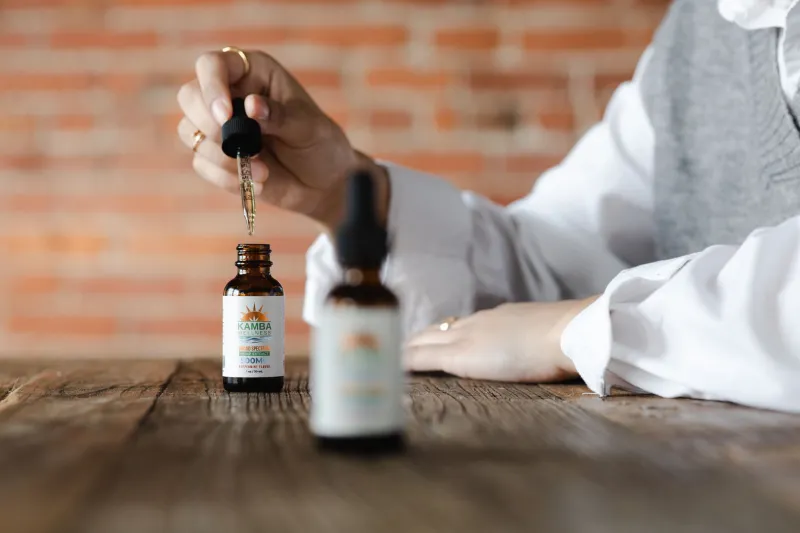
A CBD oil and a CBD gummy are not the same experience. Oils are usually held under the tongue, capsules are swallowed, and topicals are applied to the skin. Absorption and onset can differ, and so can the practicalities. If you hate the taste of hemp oil, a capsule might be more sustainable for you. If you want something easy to carry, a small bottle may beat a tub of gummies. The best product is often the one you will actually use consistently.
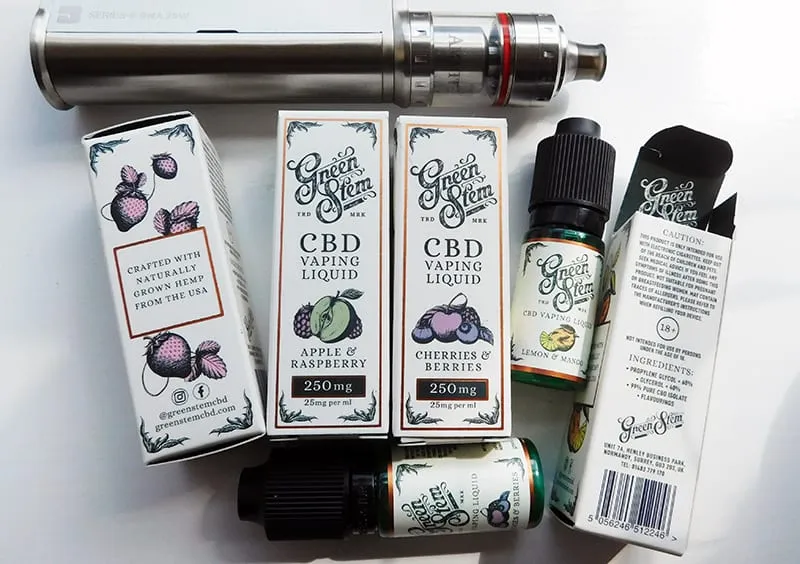
Then there is the spectrum question. Full-spectrum, broad-spectrum and isolate products exist in the UK, and they are not automatically better or worse than each other. What matters is that the label tells you what is in the bottle, how much CBD is in each serving, and whether there is any THC present. A product that hides behind vague phrases such as 'high strength' or 'premium formula' is not helping you.
Check the milligrams per serving, not just the total bottle size. A large bottle can look impressive until you realise each serving is tiny. Look for a batch certificate, often called a COA, and a UK contact address. If a brand makes dramatic health claims, treats CBD like a cure-all or leans on 'doctor-formulated' badges without explanation, treat that as marketing noise rather than proof.
Dose is not a personality test
There is no official UK daily CBD dose for general wellness, and anyone who tells you there is one simple number is overselling certainty. People use different amounts, and more is not automatically better. Starting low and keeping a simple note of what you take is far more sensible than jumping straight to the strongest bottle on the shelf.
A practical approach is to pick a product with clear serving information, take the same amount at roughly the same time, and give yourself a few weeks rather than a few days. Do not stack three different CBD products because you feel impatient. Do not double the dose every morning because nothing dramatic happened. And if you take prescription medication, are pregnant or breastfeeding, or have a health condition, speak to a GP or pharmacist before adding any supplement.
This is also where the 'does it work' question gets unhelpful. If you do not know what you are measuring, you cannot judge the result. Are you hoping to feel calmer in the evening? Build a more consistent wind-down routine? Try a different format because the oil is inconvenient? Those are clearer starting points than a vague hope that CBD will fix something unnamed.
Consistency beats novelty
A sensible CBD routine is boring, and that is a compliment. It looks like one product, a clear serving, a calendar note and a review after a few weeks. It looks like buying a small size first rather than a subscription you forget to cancel. It looks like checking the label before you check the influencer's discount code.
Consistency is not a guarantee that you will notice anything, and that is worth saying plainly. CBD is a wellness product, not a treatment, and it does not replace prescribed medicine. If you feel unwell after using a product, stop and seek advice. If you feel nothing after a fair trial, do not automatically assume you need a stronger product. It may be that CBD is not the right fit for what you were hoping for.
Label honesty is the real buying guide
In 2026, UK shoppers have more information at their fingertips than ever, but they also have more noise. The Food Standards Agency's novel food register is a useful starting point for checking whether a CBD product has been through the proper route. Batch certificates, clear serving sizes and straightforward ingredient lists are all signs that a brand is willing to be checked.
Price per milligram is a better comparison tool than the size of the bottle. Packaging that is easy to recycle is a bonus, not a substitute for product transparency. And a brand that says less but proves more is usually a safer bet than one that promises the world in a font size normally reserved for shampoo adverts.
The better question
The question worth asking in 2026 is not 'does CBD work?' It is: which product, at what dose, used how often, with what label evidence, for what purpose? That will not fit on a banner. It will not make a flashy advert. But it will make you a clearer, calmer and harder-to-fool shopper — and that is exactly what the UK hemp wellness market needs more of.