Shop Floor vs Checkout Page: Where UK Hemp Retail Gets It Right in 2026

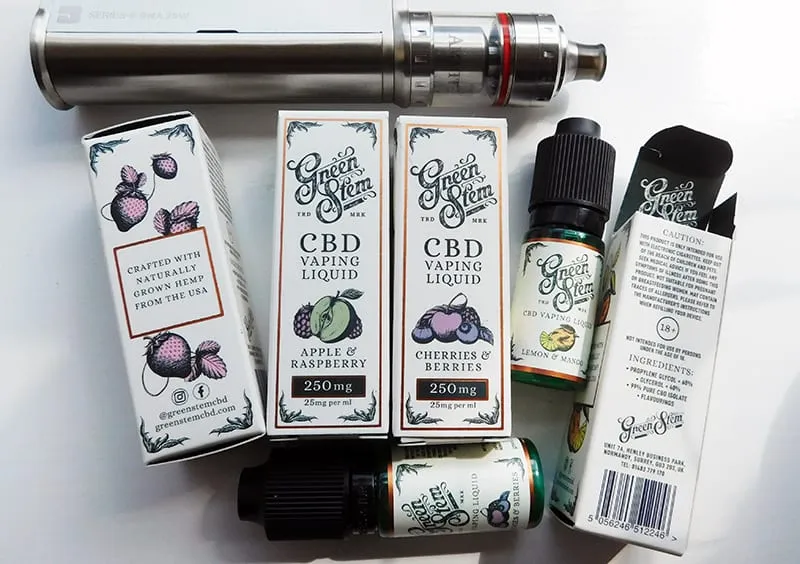
Photo: Frombowen, CC BY-SA 4.0, via Wikimedia Commons
Buying hemp and CBD in the UK in 2026 is not hard. Buying it well takes a bit more effort. You can pick up a bottle in a health shop, ask a pharmacist, wander into a vape shop or order from a specialist website at midnight. Each route has its strengths and its blind spots.
This is not a ranking of shops. It is a look at the retail landscape as it stands, with the sort of practical notes you would want before parting with your money.
High street health shops: tidy ranges, variable depth
Health shops have done a lot to make CBD feel normal. You will usually find oils, capsules, balms and sometimes drinks in one place, with clear shelf signage and staff who have had some training. That is a good thing for a first-time buyer who wants to see the bottle before buying.
The weak point is depth. A small branch may stock only a few brands, and the person behind the counter may know the products on the shelf but not much beyond them. Prices can also be higher than online, which is fair enough for the convenience and the rent, but it means you should compare cost per milligram rather than the headline price.
Pharmacies: cautious, but not always CBD experts
Some pharmacies now stock CBD products, often behind the counter or in a small display. The tone tends to be more cautious, which is sensible. If you are on prescribed medication, a pharmacist is a good person to ask about interactions before you start.
The catch is that pharmacy staff are trained in medicines, not necessarily in the hemp supplement market. They may not know the difference between full-spectrum, broad-spectrum and isolate, or why one brand costs twice as much as another. Use them for safety advice, not for a full product masterclass.
Vape shops: convenience with a side of hype
Vape shops often have the widest range and the most enthusiastic staff. They may stock oils, e-liquids, capsules, balms and drinks. For some shoppers, that is handy. For others, it is overwhelming.
The big issue is language. This is where you are most likely to hear claims that go well beyond what UK rules allow. CBD is not a treatment for anxiety, pain or anything else in the way a medicine is. If the sales pitch is all miracle stories and no batch information, treat it as a warning sign rather than a recommendation.
Online specialists: detail and transparency, if you look
Online specialists can be excellent. Many publish lab reports, batch codes, dosing guidance and clear ingredient lists. You can read at your own pace, compare products and check reviews. For shoppers who want detail, this is often the best route.
The downside is that anyone can write a slick product page. Check the company address, the contact details and the returns policy. Look for a real batch code and a lab report that matches the product you are buying. Be wary of subscriptions that are easy to start and awkward to stop. And ignore any site that promises a cure.
Where retail gets it right
The best shops and sites do a few simple things well. They show the amount of CBD per serving, not just per bottle. They explain how to store the product. They use plain language. They provide batch codes and third-party lab reports. They do not pretend CBD is a medicine. They age-check where needed and keep their claims grounded.
Those things sound dull, but dull is good in this market. Dull means you can make a decision without decoding the marketing.
Where it still goes wrong
Confusing labels are still common. A bottle might say 1,000mg in huge letters, while the actual serving is a fraction of that. Some products list hemp seed oil as if it were the same as CBD oil. It is not. Hemp seed oil is a food oil; CBD oil is a different product.
Staff knowledge is another patchy area. A helpful assistant is not the same as a trained one. Prices can be hard to compare across shops, especially when bottle sizes and serving sizes differ. And some online sellers still lean on vague wellness language that sounds meaningful until you read it twice.
Price and value: look beyond the headline
A £20 bottle and a £60 bottle may not be as different as they look. Work out the price per milligram of CBD, then compare serving sizes. Check whether the product is full-spectrum, broad-spectrum or isolate, because that affects what you are buying. Look at the carrier oil and the bottle size. A subscription discount is only good value if you actually finish the product.
A shopper's checklist
- Can I see the CBD amount per serving?
- Is there a batch code on the pack?
- Is there a lab report I can find without hunting?
- Does the label explain storage clearly?
- Are the claims modest and legal?
- Is the price per milligram sensible?
- Does the seller have a real contact address?
- Can I return it if it is not for me?
- If I am on medication, have I asked a pharmacist?
- Does the product make me feel rushed or pressured?
Final word
The UK hemp high street is not perfect, but it is more readable than it used to be. High street shops offer convenience, pharmacies offer caution, vape shops offer range and online specialists offer detail. None of them are automatically right for you. Ask questions, check the label and ignore anyone who promises the moon. A sensible purchase should feel a bit boring, and that is exactly the point.