Keys, Bottle, Breath: A Sensible UK Driver's Guide to CBD in 2026
Photo: Andy / Andrew Fogg from near Cambridge, UK, CC BY 2.0, via Wikimedia Commons
Picture the scene: it is a damp Tuesday morning, you have a bottle of CBD oil in the glovebox, and you are about to drive to work. You feel fine. The label says something reassuring. Surely that is enough?
Not quite. CBD may be widely sold on British high streets and online, but driving law does not begin and end with a product label. If you use CBD and drive, the sensible approach is to understand the rules, be honest about the limits of labelling, and accept that there is no magic number of hours that makes everything safe.
The law, without the fog
Driving law is not really about whether a bottle says 'wellness' or 'food supplement'. It is about two things: whether you are fit to drive, and whether the amount of a specified drug in your blood is above the legal limit.
In England, Wales and Scotland, the specified limit for THC is 2 micrograms per litre of blood. Northern Ireland has its own equivalent rules. The drug-driving limit came into force in England and Wales in 2015, and it changed the conversation: police no longer have to prove you were swerving all over the road. A blood result can be enough.
CBD itself is not the specified drug in that limit. But that is not a loophole. If a CBD product contains THC above the limit, or if you are impaired by anything you have taken, the law can still apply. The first offence to know is driving while unfit through drugs. The second is driving, or being in charge of a vehicle, with a specified drug above the limit. 'In charge' matters too: sitting in the driver's seat with the keys can be a problem if you are over the limit or unfit.
For official detail, start with GOV.UK's drug-driving guidance and the police advice on roadside testing. This article is a plain-English overview, not legal advice.
'THC-free' is a phrase, not a legal shield
Here is the uncomfortable bit. 'THC-free' has no single legal definition that turns a bottle into a passport. It is a marketing phrase, and sometimes a hopeful one.
CBD products come in different styles. Full-spectrum extracts may contain trace THC. Broad-spectrum products aim to remove it, but 'aim' is doing some work in that sentence. Isolate products should be purer, though quality still varies. Batch testing helps, and a reputable seller should be able to show a certificate of analysis. But even a good batch test is a snapshot of one batch, not a guarantee about your body, your dose or your metabolism.
If you are buying CBD, treat the label as a starting point. Look for the THC content, the batch number, the dose per drop or spray, and clear contact details for the seller. Keep the original packaging. If a product makes grand claims and hides the basics, walk away. That is buying-guide common sense, and it applies doubly when you drive.
The timing question has no tidy answer
People want a number. Eight hours? Twelve? Twenty-four? The honest answer is that no public guidance gives a universal wait time for CBD products, because the variables are too personal.
Body fat, liver function, dose, frequency of use, the product's THC content, alcohol, other medicines and even how well you slept can all affect what happens. Regular use can lead to accumulation. A tiny trace in one product may matter more than a larger trace in another. And feeling fine is not a test. Stimulants can make you feel sharp while your reaction time is off; drowsiness can creep up after the initial lift.
So do not build a driving plan around a guessed number of hours. Build it around risk. If you use CBD regularly, consider separating it from driving entirely. If you use it occasionally, leave a generous margin, avoid driving if you feel at all drowsy or foggy, and do not drive on the morning of a long trip if you used a new or stronger product the night before. If you have been drinking as well, the answer is simple: do not drive.
The glovebox question
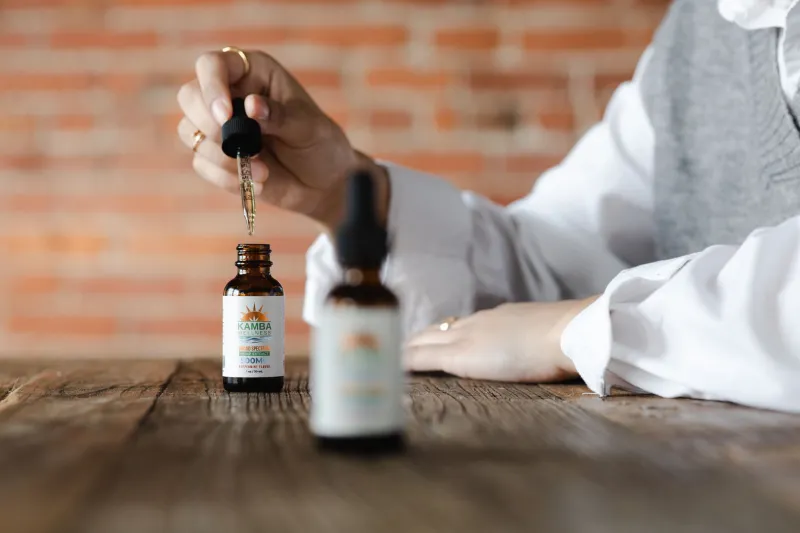
Carrying a bottle in the car is not automatically a problem, but keep it sensible. Leave it in its original packaging with the label and batch number visible. Keep a receipt or order confirmation if you have one. Do not decant it into an unmarked dropper bottle or a random travel container. That does not make it illegal in itself, but it makes explaining yourself harder if you are stopped.
Also think about heat. A car in July is not a good home for any oil. Quality can degrade, labels can peel, and a leak in the glovebox is nobody's idea of a good time. If you do not need the bottle with you, leave it at home.
If police stop you, be polite and cooperative. You do not need to give a speech about CBD, and arguing about labels at the roadside will not help. Answer questions honestly, ask for legal advice if you are arrested, and let the proper testing process do its job.
What actually happens at the roadside
Police use roadside drug wipes to screen for substances including cannabis. A positive wipe is a screening result, not a conviction. It usually leads to an arrest and a blood test, which is the evidence that matters for a specified-limit offence. If officers believe you are unfit to drive, they can act on that too.
CBD products are not designed to trigger a cannabis test, but trace THC is the awkward guest at the party. Do not assume a wipe will be negative simply because the bottle says 'THC-free'. Cooperate, keep calm, and do not try to talk your way out of a test. If you are on prescribed medicine, including a prescribed CBD product, carry proof and speak to your prescriber about driving. Prescription rules are their own subject, and 'prescribed' does not automatically mean 'fine to drive'.
Work, insurance and the small print
Your employer may have a drug and alcohol policy that goes further than the law. Safety-critical roles, random testing and zero-tolerance policies are common. Read your contract and any staff handbook, and if you are unsure, ask HR or a union rep. ACAS has useful general guidance on workplace policies.
Insurance is another place where honesty matters. Most policies do not ask about CBD, but if you are asked a direct question, answer it directly. And if you drive abroad, do not assume the UK approach travels with you. Limits and testing regimes differ.
When the answer is simply 'not today'
You have had a drink. You feel drowsy. You have just tried a new product. You are on other medication that warns about driving. You are due on shift at 6am and you used a high dose the night before. You are already unsure.
These are all good reasons to take the bus, book a taxi or ask for a lift. There is no prize for being the person who risked it. A driving ban, a fine or a criminal record is a heavy price for a bottle of oil.
A short pre-drive checklist
- Read the label and the batch test. Know the THC content and the dose.
- Keep the original packaging. Do not decant into unmarked bottles.
- Treat 'THC-free' as a claim to check, not a legal guarantee.
- Do not rely on a guessed wait time. If you feel impaired, do not drive.
- Check your employer's policy if your job involves driving or safety-critical work.
- If you are stopped, cooperate and get proper advice if things go further.
- Use official guidance: GOV.UK drug driving, police roadside testing advice, and ACAS for workplace questions.
CBD can fit into a sensible routine. Driving needs a clearer head than that. If there is any doubt, leave the keys on the hook and sort out the journey another way. That is not paranoia. It is just good sense.