The Kitchen-Table CBD Chat: What UK Parents Can Say in 2026
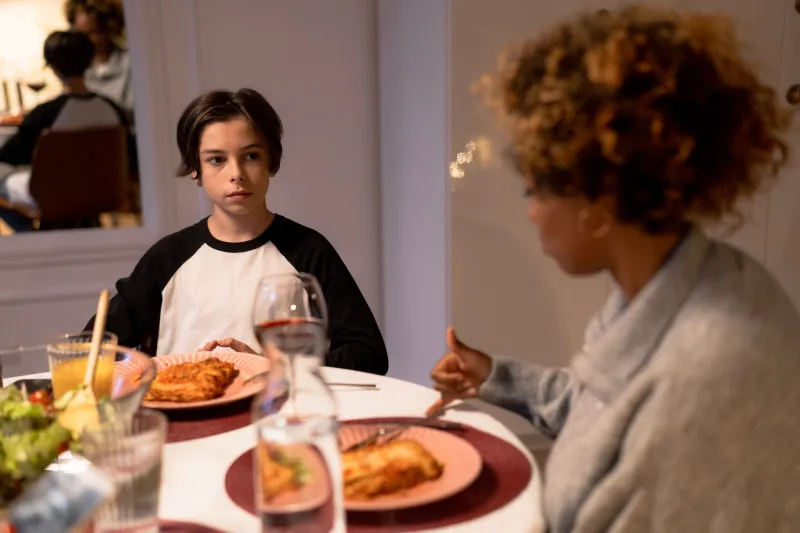
Teenagers ask unexpected questions. Sometimes it is about a mobile contract, sometimes it is about why the dog stares at the fridge, and sometimes it is about CBD. In 2026, CBD is easy to find online, in high-street shops and in the sort of social media clips that make everything sound like a lifestyle upgrade. So when your teenager brings it up, it is worth having an answer ready that is neither a panic speech nor a vague shrug.
The aim here is not to win an argument. It is to keep the conversation open, set a clear boundary and give your child enough information to make sense of what they are seeing on a screen. That is a lot more useful than pretending the question did not happen.
Start by untangling hemp from CBD
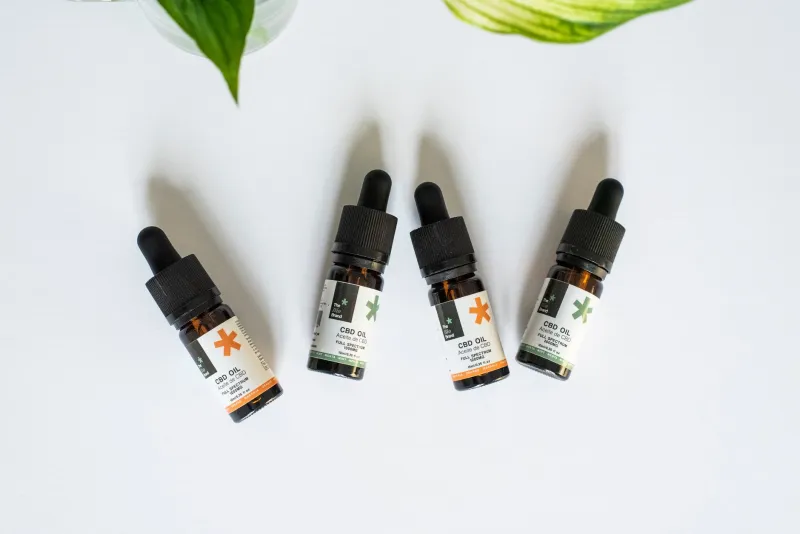
Hemp and CBD get used as if they are the same thing, and they are not. Hemp seed oil is a food oil you might find in the kitchen aisle or used in salad dressings. CBD extract is a different product, usually sold as drops, capsules, gummies or balms. A bag of hemp seeds is not a secret route to calm, and a bottle of hemp seed oil is not the same as a CBD dropper.
This matters because teenagers often hear one word and assume the other. If your teen has seen hemp brownies, hemp milk or a hemp seed oil capsule, that is a food conversation. If they have seen a CBD product with a dropper and a label full of milligrams, that is a different conversation. Say that plainly. It lowers the temperature and makes the facts easier to follow.
The age line is simple, even when the conversation is not
In the UK, CBD products are generally sold to adults only. The age restriction is 18+, and that is not a grey area you need to debate at the kitchen table. If your teenager is under 18, the answer is no, and the reason is not that you think they are silly. It is that CBD is a product category with age rules, uncertain quality across the market and plenty of open questions about use in young people.
You can say: 'I am not saying you are doing something wrong by asking. I am saying this is an adult product, and while you are under 18, it is not on the table.' That is firmer than a lecture and kinder than a suspicious stare.
A script that sounds like a person
You do not need a perfect speech. A few honest questions will do more work than a ten-minute monologue.
- 'What have you heard about it?' Let them explain the clip or the friend or the shop shelf first.
- 'What are you hoping it would do?' If the answer is 'help me chill before mocks', you have found the real issue.
- 'Where did you see it?' This tells you whether it was a shop, an influencer or a group chat.
- 'The answer for now is no, and here is why.' Keep the reason short: age rule, unknown product quality and no need to self-medicate exam stress.
If they roll their eyes, that is allowed. The point is not to win the moment. It is to leave a clear, calm message they can come back to later.
Exam season is real pressure, but a bottle is not a plan
GCSEs, A-levels, mocks and the long slog of revision can make any teenager look for a shortcut. It is understandable. It is also worth being honest: shop-bought hemp products are not a shortcut to exam-season calm. Most high-street CBD is sold as a food supplement or cosmetic, not as a licensed medicine, and it is not a replacement for sleep, food, movement, breaks or actual revision planning.
If your teenager is struggling with sleep, panic, low mood or a level of worry that is affecting school, that deserves proper attention. A GP conversation is a sensible next step. So is talking to the school pastoral team if the pressure is building. The answer might be practical support, a revised routine or a referral to the right service. It is unlikely to be a random bottle bought online at midnight.
Reading a label together without the lecture voice
This can be surprisingly useful. Pick up a product page or a bottle and ask your teen to find the facts. Not to catch them out, but to show them how much marketing sits around a small amount of information.
Look for the amount of CBD per bottle and per serving. Look for THC content, batch information and any third-party lab results. Look for a clear age warning and a full ingredient list. Check whether the label tells you what the product actually is, rather than relying on words like 'chill', 'balance' or 'botanical'. If a label does not say how much CBD is in it, put it back.
You can also talk about price per milligram, because it is a quick lesson in marketing. A pretty bottle with a big promise is not automatically a better product. A label that is clear and boring is often more trustworthy than one that sounds like a spa brochure.
When to bring in the GP or pharmacist
If your teenager is already taking prescribed medication, has a health condition or is seeing a mental health service, do not guess. A pharmacist or GP can talk through interactions and answer questions properly. The same applies if anxiety is persistent, if sleep is badly disrupted or if your child is using any substance to cope.
This is not about overreacting. It is about matching the response to the problem. A one-off question about CBD can be handled at home. Ongoing distress needs a proper conversation with a professional, not a family debate about milligrams.
House rules, trust and leaving the door open
Make the boundary clear: no buying CBD under 18, no sharing products with friends and no treating an online review as medical advice. Then keep the door open. Teenagers are more likely to come back with questions if the first answer was calm rather than theatrical.
You can end the chat with something simple: 'If you see something and you are not sure, ask me. I would rather we looked at it together than you guessed.' That is not a surrender. It is good parenting with the kettle on.