Hemp Milk, Honestly: A Week of Tea, Coffee and Cereal in a British Kitchen
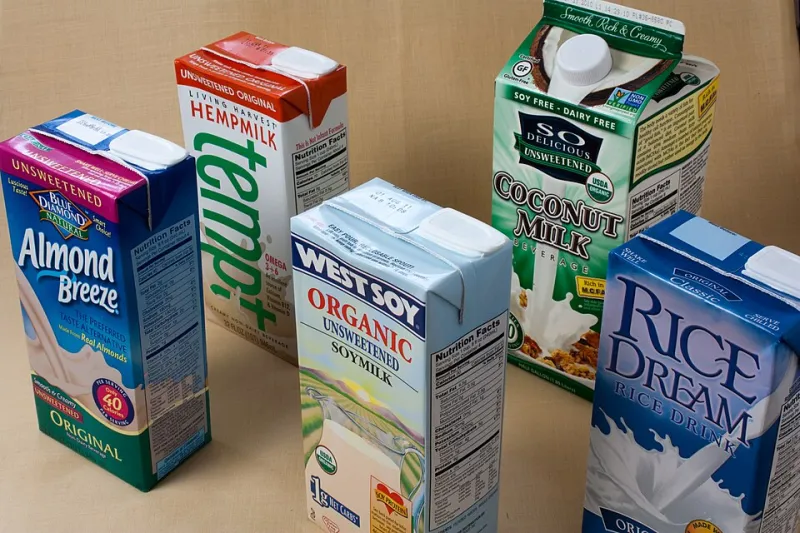
Photo: Veganbaking.net from USA, CC BY-SA 2.0, via Wikimedia Commons
Hemp milk has been hovering around the edges of the UK free-from aisle for years. It is not the new kid any more, but it is still the carton people pick up, squint at, and put back down. Fair enough. Oat has the crowd-pleasing creaminess, soy has the protein reputation, and dairy still owns the tea round. So where does hemp actually fit in a normal British kitchen in 2026?
I spent a week using hemp milk properly: in builders’ tea, in coffee, over cereal, in porridge, in a white sauce, and straight from a glass because apparently that is a thing. I compared it with oat, soy and semi-skimmed dairy on flavour, texture, frothing, nutrition and price. No miracle claims, no pretending it tastes like something it does not. Just the carton, the cup, and the honest comparison.
First, what hemp milk actually is
Hemp milk is a plant drink made from hulled hemp seeds blended with water. That is the simple version. The carton version usually adds stabilisers, a little oil for richness, and vitamins and minerals such as calcium, vitamin D and vitamin B12. Some are sweetened; plenty are not.
It is worth saying plainly: this is not CBD. Hemp milk is a food made from hemp seed. It is not a medicine, it is not a supplement, and it will not dose you with anything beyond what the label says. If you are buying it for protein, check the carton. Hemp seeds are nutritious, but a lot of that does not survive into a thin plant drink in huge amounts.
The tea test: proceed with caution
This is where hemp milk has a reputation problem. In a mug of strong British tea, thin plant milks can split, look grey and leave a faint swirl that puts you off before you sip. Hemp milk is no exception.
In my test, a splash of unsweetened hemp milk in a normal cup of tea was fine if I added it after the tea had cooled for a minute and stirred quickly. A larger pour made the tea taste earthy and slightly nutty, which is not necessarily bad, but it is not a Yorkshire tea experience. If tea is your main reason for buying a milk alternative, oat is still the safer bet. Soy is decent too. Hemp is the one for people who drink their tea weaker or are happy with a different flavour.
Verdict: okay in small amounts, not the best choice for a strong builders’ brew. If you take your tea seriously, keep a second carton for that job.
Coffee and frothing: better than expected, with caveats
Hemp milk in coffee depends almost entirely on the carton. Standard hemp milk is thin and can curdle in hot acidic coffee, especially if you pour it into a very hot mug. Barista-style hemp milks, which are thicker and often contain added oils or stabilisers, behave much better.
For a flat white or latte, a barista hemp milk can froth to a soft, loose foam. It will not give you the stiff, glossy microfoam you get from dairy or a good oat barista blend, but it is pleasant enough. In an Americano, a small splash works well and adds a gentle nutty note. In a cafetière coffee, I would add it to the cup rather than the pot.
Verdict: use barista hemp milk for coffee, add it gently, and do not expect dairy-level foam. For everyday filter coffee, a splash is lovely. For a latte art competition, look elsewhere.
Cereal and porridge: the quiet winner
This is where hemp milk made the most sense to me. Over a bowl of granola or wheat biscuits, the slight earthiness sits well with oats, seeds and dried fruit. It is not as sweet as oat milk, so it does not make breakfast taste like dessert. It is thinner than dairy, so you may want a little more of it, but it coats cereal nicely.
In porridge, hemp milk worked a treat. It cooked down into a creamy bowl without the slightly slimy texture some people dislike in soy. I used unsweetened hemp milk, added a pinch of salt and a spoon of peanut butter, and it was genuinely good. If you are trying to move away from dairy without leaning on almond or oat, this is a sensible everyday use.
Verdict: very good with cereal and porridge. A quiet, reliable performer rather than a show-off.
Cooking: yes, especially in savoury dishes
Hemp milk has a mild, slightly grassy flavour that works in savoury cooking. I used it in a white sauce for cauliflower cheese and in a simple leek and potato soup. In the white sauce, it was thinner than dairy, so I needed a little more flour and a longer simmer. The flavour was subtle and pleasant. In soup, it blended in without shouting.
It is less convincing in sweet baking. Hemp milk can make cakes a bit dense and the flavour can push through in a way that clashes with vanilla or chocolate. If you are baking, oat or soy is usually the more forgiving swap. For sauces, soups and mashed potato, hemp milk is a decent option.
Verdict: good for savoury cooking, less so for delicate baking. Treat it like a light, nutty milk rather than a straight dairy clone.
What the label is really telling you
UK cartons vary a lot. Look for the percentage of hemp seeds or hemp milk, because some drinks are mostly water with a small amount of hemp. Check whether it is sweetened. Check the protein and calcium figures, especially if you are using it as a dairy alternative for children or anyone with higher needs. A carton with added calcium, B12 and vitamin D is doing more nutritional work than one without.
Also check the word on the front. Some brands call it hemp drink rather than hemp milk, which is a labelling convention rather than a warning. The ingredients list tells you more than the marketing ever will.
Price and where to find it
In 2026, hemp milk is still a bit of a niche carton. You will find it in larger Tesco, Sainsbury’s and Waitrose stores, on Ocado, and in plenty of independent health food shops. Prices tend to sit around £2 to £3.50 for a litre, with barista versions at the top end. That is broadly in line with oat and soy, though often a little more than own-brand oat milk.
Dairy is still cheaper per litre in most supermarkets, but the gap is not enormous if you are buying a branded plant milk anyway. If you only use a splash in tea, a carton will last a while. If you are using it for cereal and cooking every day, the cost adds up.
The honest verdict
Hemp milk is not the all-rounder that oat has become, and it is not the protein heavyweight that soy can be. But it has a genuinely nice flavour, works well in cereal, porridge and savoury cooking, and gives you another option if you are bored of the usual lineup.
My advice is simple. Buy one unsweetened carton and one barista carton if you can. Use the unsweetened one for cereal, porridge and sauces. Use the barista one for coffee. Keep your usual tea milk for tea. That is not a compromise; it is just how plant milk works in a real kitchen. Hemp milk does not need to win every test. It just needs to be good at the jobs you actually give it.