Kettle, Mug, Reality Check: Brewing Better UK Hemp Tea in 2026
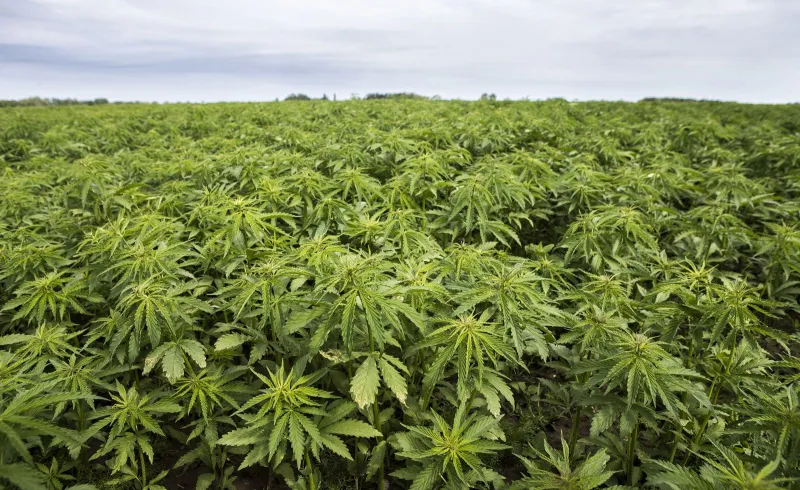
Photo: hemp tea loose leaf in glass teapot with mug on wooden kitchen table, natural light, via cdn.britannica.com
There’s a particular kind of optimism that comes with buying a box of hemp tea. You picture a calm ten minutes by the window, a mug that tastes gently green and wholesome, and maybe a slightly smug feeling that you’ve swapped your third coffee for something more sensible. Then you brew it like a normal teabag, get a cup that tastes like warm hay, and wonder whether you’ve done something wrong.
Usually, you haven’t. Hemp tea is a simple thing, but it rewards a bit of attention. This is a practical guide to making a better cup in 2026, without turning your kitchen into a laboratory or pretending a brew will solve your week.
Start with what is actually in the bag
Hemp tea is not one standard product. Some boxes contain hemp leaves or hemp flower, sometimes blended with other herbs. Some contain hemp seed or hemp seed powder, which is more of a nutty, toasted flavour than a floral one. Some products include CBD, and some use the word ‘hemp’ in a way that is more marketing than meaningful ingredient list.
So before you worry about brewing, turn the box over. What is the first ingredient? Is it hemp leaf, hemp flower, hemp seed, or a blend? If CBD is mentioned, is there a clear amount per serving? Does the seller point you towards a batch-specific lab report? If the answer to any of those is a vague shrug in print form, that tells you something.
Hemp tea is also not the same thing as CBD oil. A mug of hemp tea may contain trace cannabinoids, but it is not a reliable way to take a measured CBD dose. If you want a precise amount of CBD, a tea bag is the wrong tool. If you want a pleasant caffeine-free drink with a bit of hemp character, carry on.
Loose leaf or teabag? The honest trade-off
Teabags win on convenience. They are easy to chuck in a mug, easy to take to work, and easy to get roughly right. The downside is that hemp tea in bags can be dusty, stale or padded out with cheaper herbs. Look for bags that list hemp clearly and don’t hide it at the bottom of the ingredients.
Loose leaf gives you more control and usually more flavour. It also gives you a small compostable mess and the need to own a strainer. If you are new to hemp tea, a decent bag is a fine place to start. If you already drink loose leaf herbal teas, loose hemp is worth trying. Use about one heaped teaspoon per mug, or follow the pack if it gives a weight. A little goes further than you think.
Temperature and time: where most cups go wrong
You do not need a thermometer, but you do need to stop treating hemp tea like builder’s tea. Boiling water straight onto delicate hemp flower can make the cup harsh and bitter. For many hemp leaf and flower teas, let the kettle settle for a minute or two after boiling, then pour. That puts you roughly in the 80–90°C zone. If your tea is a robust blend with ginger, fennel or roasted seeds, hotter water is fine.
Steeping time matters just as much. Start with three minutes, taste, and go from there. Four to five minutes is often a good range for hemp leaf, but longer does not automatically mean better. Past five or six minutes, you can pull out more bitterness and a dry, woody edge. If you like a stronger cup, add more leaf rather than stewing the same leaf for ten minutes.
Teabags are a bit of a movable feast. The box may say three to five minutes. Try the shorter end first. You can always go back for another minute, but you cannot un-brew a bitter cup.
Blending without turning it into a potion
Hemp tea has a soft, grassy, sometimes earthy flavour. It does not need much help, but it plays well with others. Peppermint is the easy win: bright, familiar and good at covering any hay-like notes. Lemon balm adds a gentle citrus-herbal lift. Chamomile makes it softer and more evening-friendly. Ginger gives it a bit of warmth without sugar. A strip of lemon peel or a few fennel seeds can also wake it up.
If you are blending, keep it simple. Two or three ingredients is plenty. A pinch of peppermint and a teaspoon of hemp leaf is a decent starting point. If you want it creamy, a splash of oat milk works, though it will mute the flavour. Honey is fine if you take honey. Just don’t expect a hemp tea blend to taste like a dessert unless it is actually full of flavouring.
What the box is really telling you
UK shoppers are seeing more hemp tea products than ever this year, and the labels are not all equally useful. A few things worth checking:
- Ingredients: hemp should be clearly named, not buried behind ‘natural flavourings’.
- CBD content: if stated, look for milligrams per serving and a batch lab report. If it is not stated, don’t assume a dose.
- Origin: ‘UK-grown’ is a nice detail, but it is not a guarantee of quality on its own.
- Compliance: CBD products in the UK are regulated as novel foods. A serious seller should be clear about the product’s status, not just poetic about the fields.
- Price per cup: loose leaf often looks expensive per packet but works out cheaper than you think.
None of this is about being cynical. It is about buying the thing you actually want. If you want a caffeine-free herbal brew, buy it for that. If you want CBD, buy a product that tells you how much CBD you are getting.
Fitting it into a caffeine-free day
Hemp tea works best as a ritual rather than a rescue mission. Try it in the late afternoon when you would normally reach for a coffee you don’t really need, or in the evening when you want something warm that isn’t another screen and a biscuit. It is caffeine-free, easy to make and relatively cheap per mug once you find one you like.
Just keep your expectations in the ordinary range. A good cup of hemp tea can be calming because it is warm, because you sat down for five minutes, and because it tastes nice. That is a decent reason to drink it. You don’t need a miracle claim to justify a better brew.
The bottom line
Make it with water that is hot but not furious. Steep it for three to five minutes, taste as you go, and blend it with herbs you already like. Read the label before you read the marketing. And if the first hemp tea you try tastes like a hedge, don’t write off the whole category — try a different type, a different blend, or a shorter steep. A decent cup is usually a small adjustment away.