The Bin After the Bottle: Sorting UK CBD Packaging Without the Guesswork
You finish the bottle. Then you stand at the kitchen bin with a small pile of bits: amber glass, a plastic cap, a rubber bulb, maybe a pump, a carton and a padded mailer. UK recycling is not one national rulebook, so the honest answer is often “check your council”. But that does not mean you need a degree in waste management. Here is a calm way through the common pieces.
Start with the bottle, not the whole pile
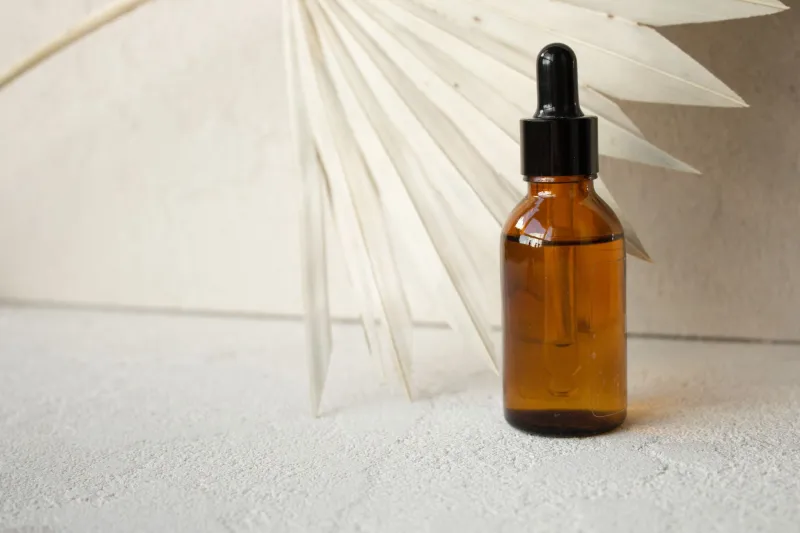
Most CBD tinctures arrive in small amber glass bottles. Glass is widely recycled, but kerbside collections vary. Many councils take glass bottles and jars in the main recycling box; some ask you to use a bring bank. Rinse the bottle so it is not sticky, and take off what comes off easily. Do not smash it to fit a box. If your council does not take glass at the kerbside, a local bottle bank is usually the better route than general waste.
The awkward part is often the dropper. A glass pipette may be recyclable as glass, but the rubber bulb is not. If the bulb pulls off, separate it and put the rubber in general waste. If the whole dropper is fused together, many councils would rather you put the mixed piece in general waste than contaminate the glass stream. That feels wasteful, but contamination is a real problem.
Caps, pumps and spray tops
Rigid plastic caps are sometimes accepted, especially if they are screwed back on and are big enough for sorting machinery. Smaller councils differ on whether they want caps on or off. Check your council's page rather than guessing from a symbol.
Pumps and trigger sprays are trickier. They often contain a metal spring and mixed plastics, which makes them hard to recycle at kerbside. Unless your council specifically lists pumps as accepted, general waste is the safer call. The same goes for fine mist spray tops. It is annoying, but “wishcycling” — putting doubtful items in recycling and hoping — can slow down the whole system.
Tubes, pouches and sachets
Hemp creams and balms often come in squeeze tubes. Some are rigid enough to be recycled; many are mixed plastic or foil-lined and are not. Pouches and refill sachets are rarely accepted at kerbside. Soft plastic collection points at supermarkets are mainly for carrier bags and certain food wrappers, not automatically for beauty or CBD pouches. Do not assume a supermarket bin will take them unless the signage clearly says so.
If a brand sells a refill pouch, ask what the pouch is made from and where it should go. A refill can cut plastic overall, but only if the pouch has a realistic end-of-life route. Otherwise you may be swapping one problem for another.
Cartons and postal mailers
Cardboard cartons flatten easily and are widely recycled if kept dry. Remove any plastic window or inner tray if you can. Paper mailers can usually go with paper recycling; padded plastic mailers usually cannot. Some soft plastic drop-offs accept mailing bags, but again, check the label on the bin. If you are unsure, general waste is better than spoiling a recycling load.
Your council is the referee
Recycling in the UK is a postcode lottery in the literal sense. Use your council's website or the Recycle Now locator. Look up the specific item — “glass bottle”, “plastic pump”, “padded envelope” — rather than relying on a vague memory. Rules also change when contracts change, so a quick check now and then is worth it.
One useful habit: keep a tiny “check later” note on your phone. When you finish a product, jot down the brand and the packaging bits you were unsure about. Next time you are on the laptop, look them up properly.
Questions worth asking a brand
Before you buy again, ask plain questions. What is the bottle made of? Does the dropper separate? Is the cap recyclable in my council area? Do you offer a refill, and can the refill be recycled? Do you run a take-back scheme? Vague words like “eco-friendly” or “sustainable packaging” are not answers. Specific materials and disposal routes are.
A good brand will not be offended. A great one will have the answers ready, because packaging is part of the product, not an afterthought.
The five-minute routine
Rinse the glass. Pull off the rubber bulb if it comes away. Put rigid plastic caps with your plastics only if your council accepts them. Send pumps, mixed droppers and soft pouches to general waste unless you have a confirmed drop-off. Flatten cardboard. Keep a small bag for any soft plastics your local supermarket actually accepts.
None of this is glamorous. But the last drop is not the last decision. A quick sort at the bin is a small, honest habit — and asking brands better questions is how the packaging gets better in the first place.